
development project
e inclusione sociale
In collaboration with

MartinoRossi has officially launched a three-year project in Uganda focused on sustainable rural development
and social inclusion, as part of a programme funded by an international call for proposals won
by the partnership led by CBM – Christian Blind Mission.
The project, named “ECO FOOD UGANDA”, is aimed at creating a sustainable food supply chain, with the objective of strengthening food security in local communities and developing high value-added crops intended for the international market as well.
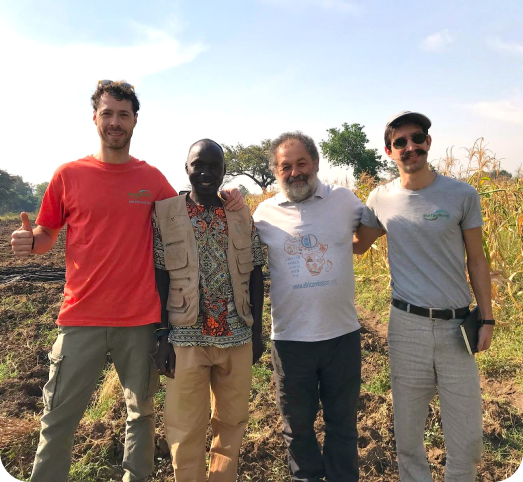
The role of Martino Rossi
The role of Martino Rossi
MartinoRossi is the sole private partner in the project, within a partnership comprising mainly non-profit organisations. The project is 90% funded by a non-repayable grant (out of a total budget of €2 million); MartinoRossi has been allocated €125,300 for the activities falling within its remit.
In addition, the company will invest approximately €200,000 in setting up processing and storage facilities at the Alito cooperative. To maximise the impact of the resources, the purchase of equipment will be managed through the local NGO CND.
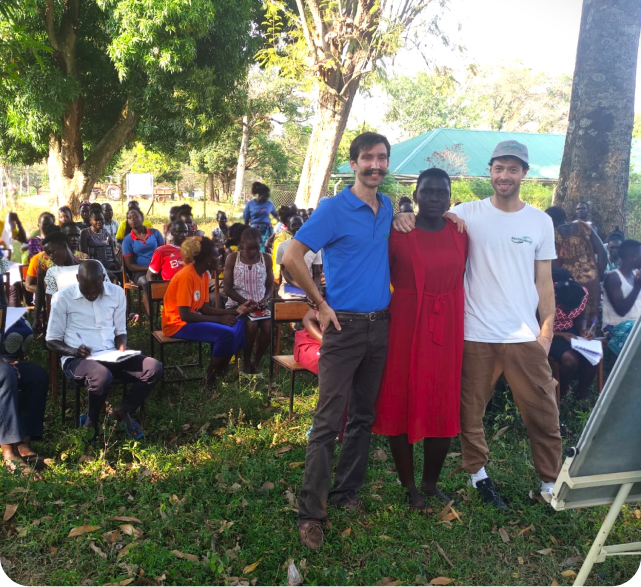
The project’s objectives
The project’s objectives
The project contributes directly to the achievement of two Sustainable Development Goals of the 2030 Agenda:
• SDG 2 – End hunger by promoting sustainable agriculture and food security
• SDG 12 – Responsible consumption and production, through transparent and sustainable supply chains
The challenging, long-term objective is to create a self-sustaining value chain capable of generating income and skills without relying on ongoing funding.
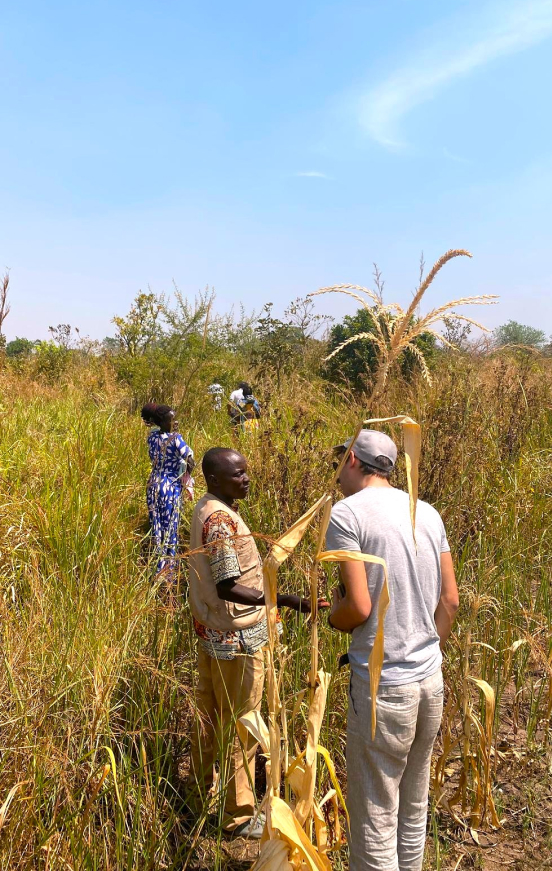
Social inclusion and microcredit
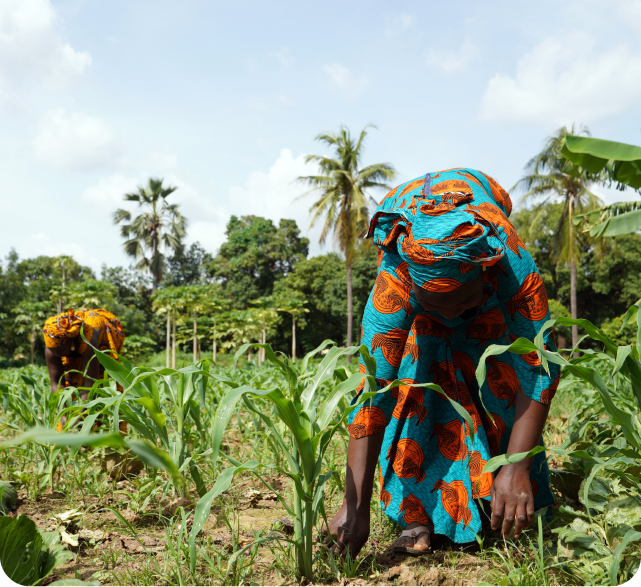
Social inclusion and microcredit
The following groups will be actively involved in the production chain:
• women
• people with disabilities
• people in vulnerable social circumstances
The project also provides access to microcredit schemes, thanks to the support of partner NGOs, to help establish and consolidate agricultural activities.
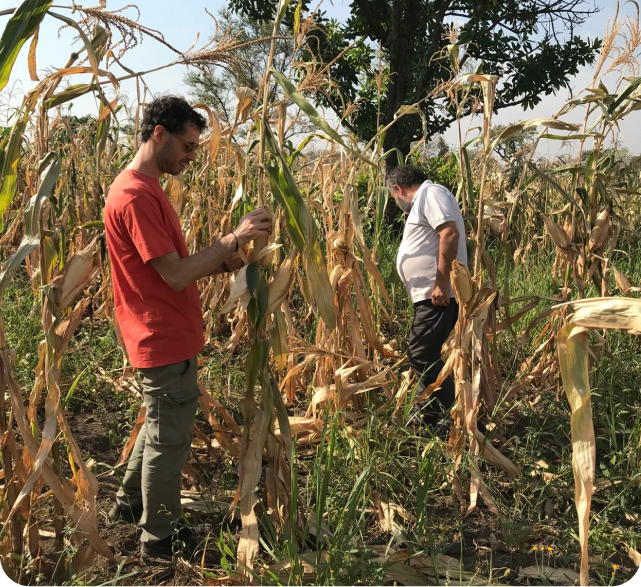
Why psyllium, guar and amaranth?
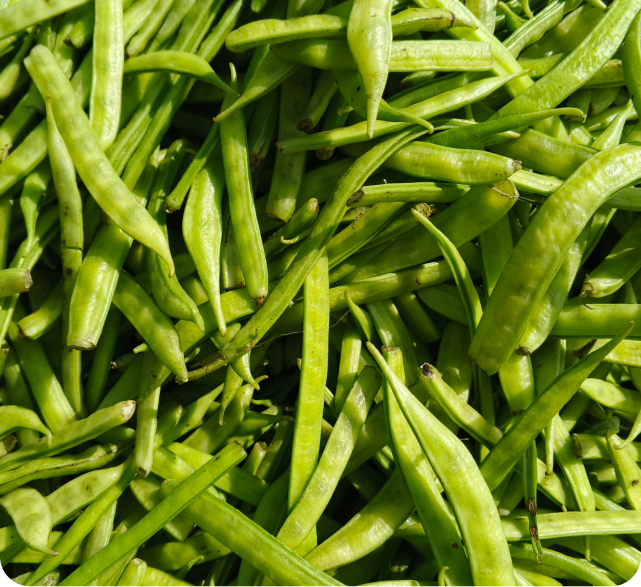
Why psyllium, guar and amaranth?
MartinoRossi’s strategic focus lies in the development of crops that cannot be grown in Europe but offer high added value.
Currently, the production of psyllium and guar is heavily concentrated in India, often under unethical conditions. Offering an alternative based on:
• fair farming practices,
• traceability,
• respect for local communities,
represents a distinctive value proposition for the market. These are products that justify the logistics and transport costs and meet a growing demand for sustainable and responsible ingredients.
Timeline and next steps
The project will run for 36 months, starting on 1 January 2026.
In the short term, the following are planned:
Visit to Uganda in February 2026, with the official launch of the project alongside all the partners and the Italian ambassador.
The first six months were spent sourcing the machinery and getting operations up and running.
Recruitment of a local staff member to coordinate the project, based at the Alito Training Centre, with logistical support for travel within the region.
2–3 annual missions to Uganda by the MartinoRossi team for monitoring and skills transfer.
A long-term vision

A long-term vision
The main risk associated with projects of this kind is a lack of self-sustainability once funding comes to an end. For this reason, MartinoRossi focuses its efforts on two key pillars:
• transferring technical and organisational skills to local communities;
• creating a fair supply chain that recognises the true value of agricultural work.
The aim is that, over time, the supply chain will grow and extend to other areas of Uganda, such as the Karamoja region, which is characterised by severe poverty but has potential for resilient crops such as psyllium, which does not take away from traditional subsistence farming.