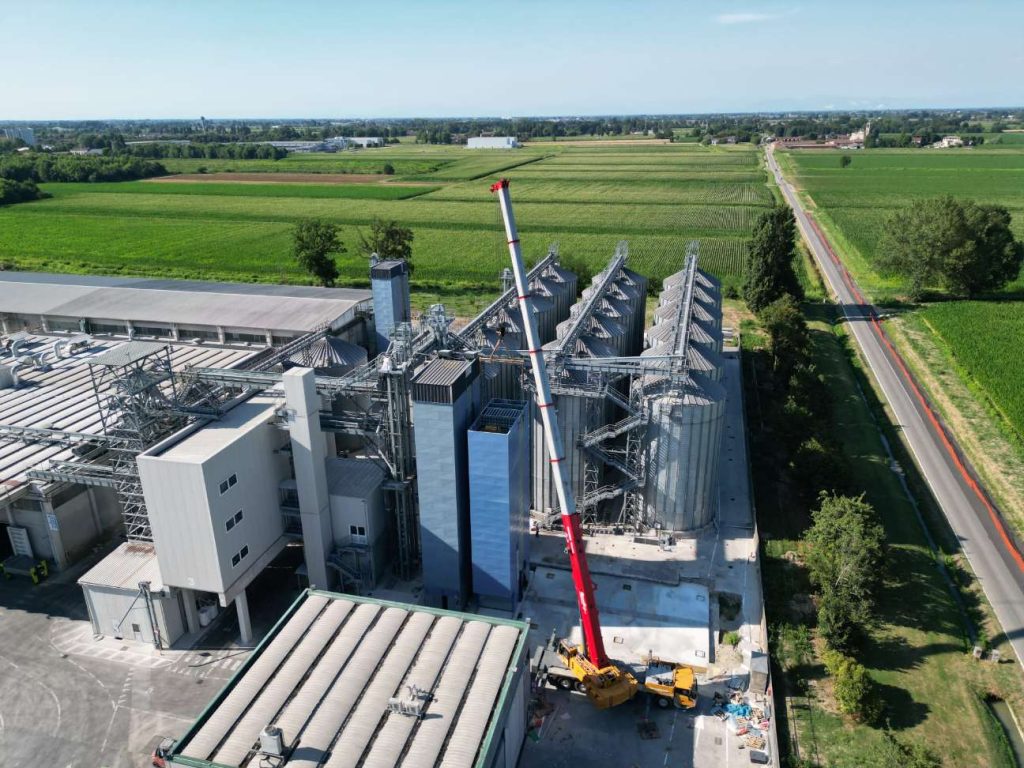
MartinoRossi S.p.A. is actively involved in the Eco-Food Uganda Project, an international cooperation initiative launched on January 1, 2026, with a total duration of 36 months and funded at 95% through a non-repayable grant.
The project originated following the awarding of a public call and represents an important opportunity for sustainable development, implemented through a partnership composed of seven organizations, mainly NGOs, with CBM (Christian Blind Mission) acting as the lead partner. In this context, MartinoRossi S.p.A. stands out as the only industrial partner.

An innovative model of collaboration
The Eco-Food Uganda Project is characterized by an innovative approach based on a hybrid structure that integrates expertise from the non-profit sector with industrial know-how. The initiative is built on two main pillars: on the one hand, the transfer of agronomic expertise from MartinoRossi S.p.A. to local communities; on the other, the creation of high value-added, sustainable agricultural supply chains linked to crops not cultivable in Europe—such as psyllium, amaranth, and guar—which the company commits to purchasing.
Territorial development and involvement of local communities
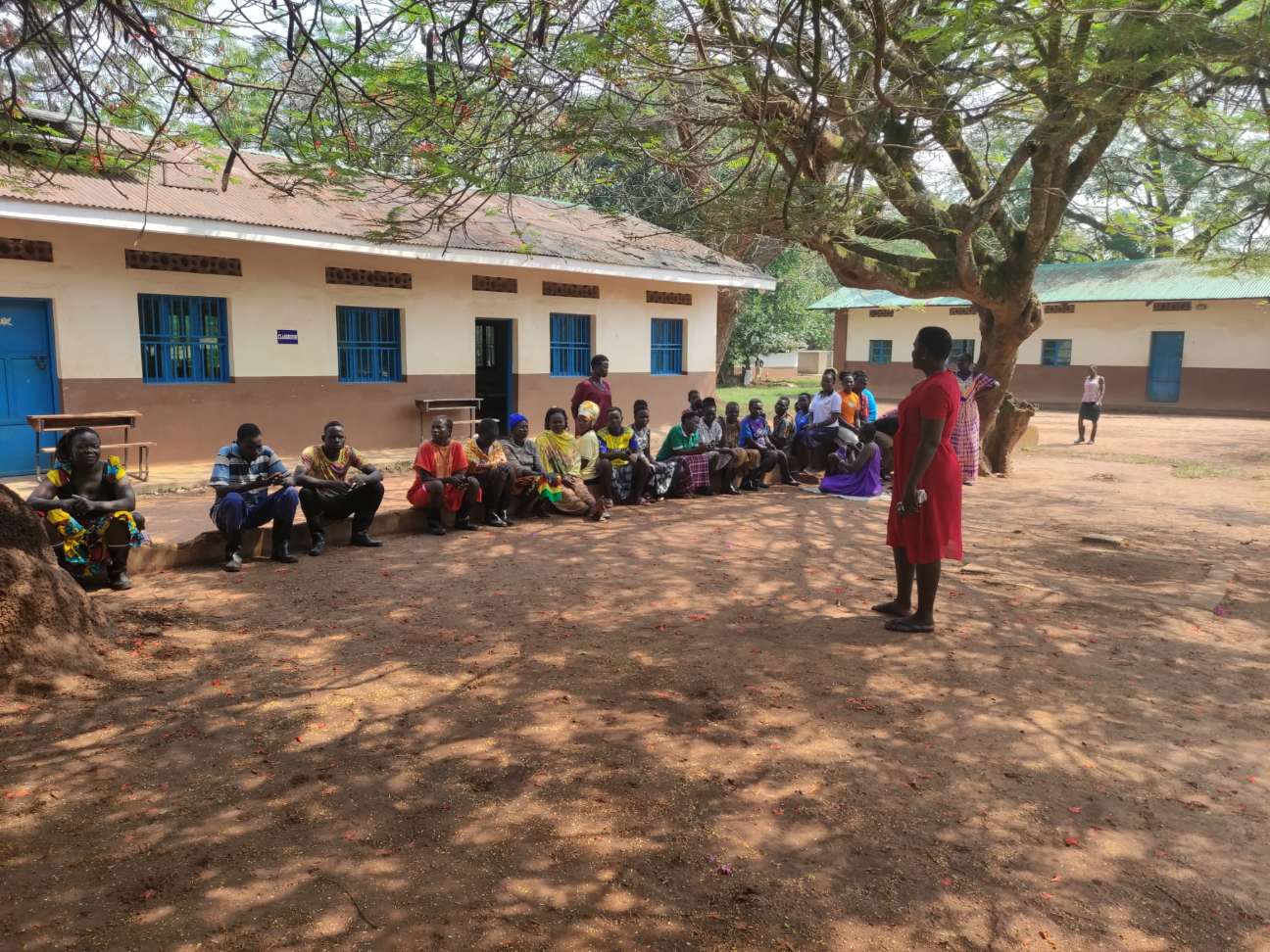
The project is being developed in the West Nile region, in the Adjumani district (Uganda), where 37 cooperatives of local farmers operate under the coordination of the Ugandan NGO CEFORD. A central role is played by the Alito Training Centre, which will host the project’s operational hub. Here, activities such as cleaning, storage, and initial processing of raw materials will be carried out, along with logistical management for shipment to Italy.
The center will also serve a training function, becoming a key reference point for the education of local farmers and for the transfer of technical skills.
Social inclusion and sustainability objectives
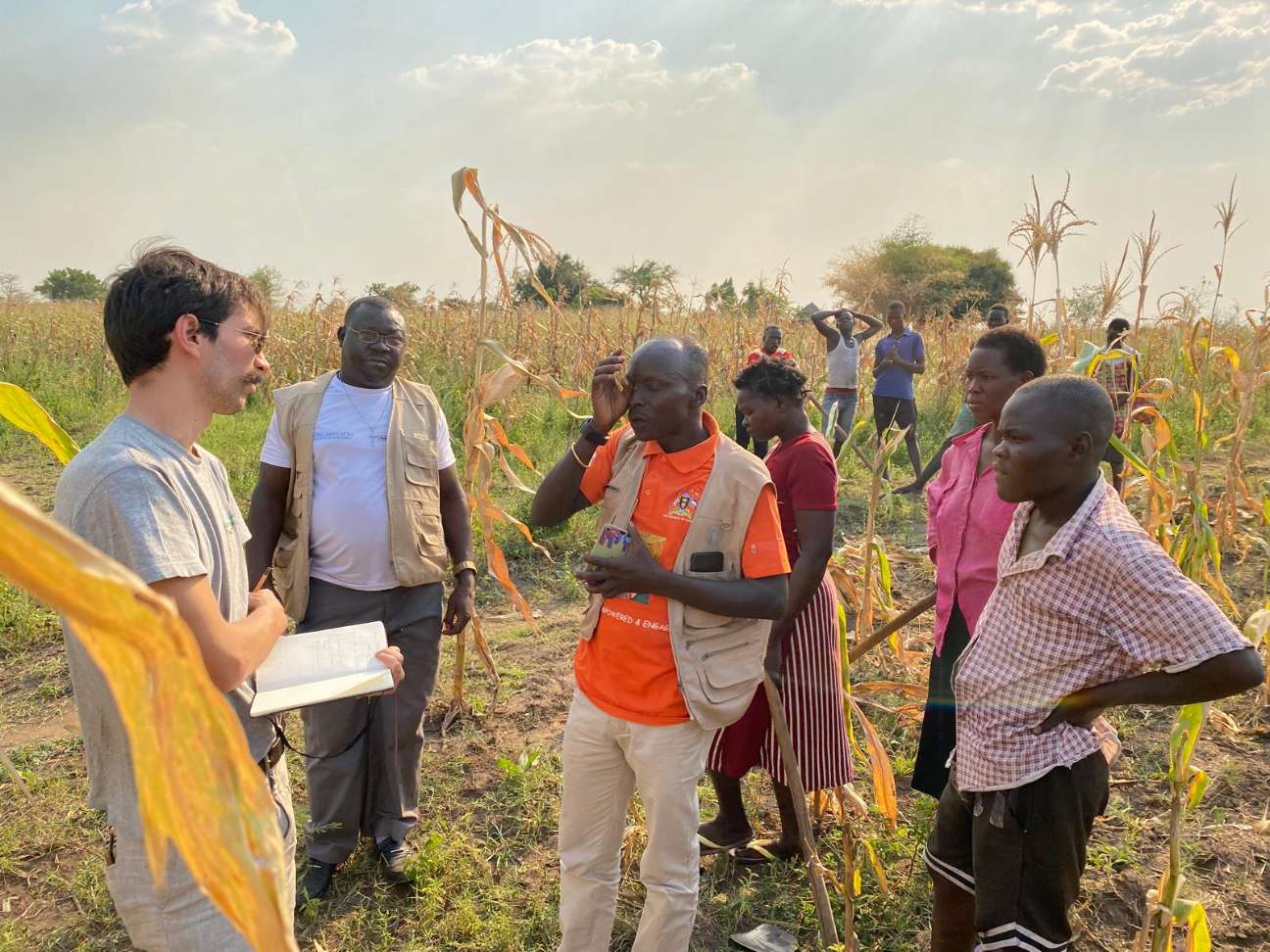
The Eco-Food Uganda Project promotes an inclusive approach, providing for the active involvement of women, young people, and persons with disabilities, also thanks to the collaboration with NUDIPU (National Union of Disabled Persons of Uganda). The project also contributes to achieving key objectives of the United Nations 2030 Agenda, in particular Goal 2 (Zero Hunger) and Goal 12 (Responsible Consumption and Production).
The hiring of a dedicated local professional is also planned, with functions similar to those of agronomists in Italy, in order to ensure a constant presence and effective coordination of activities in the area.
 Operational launch and initial field activities
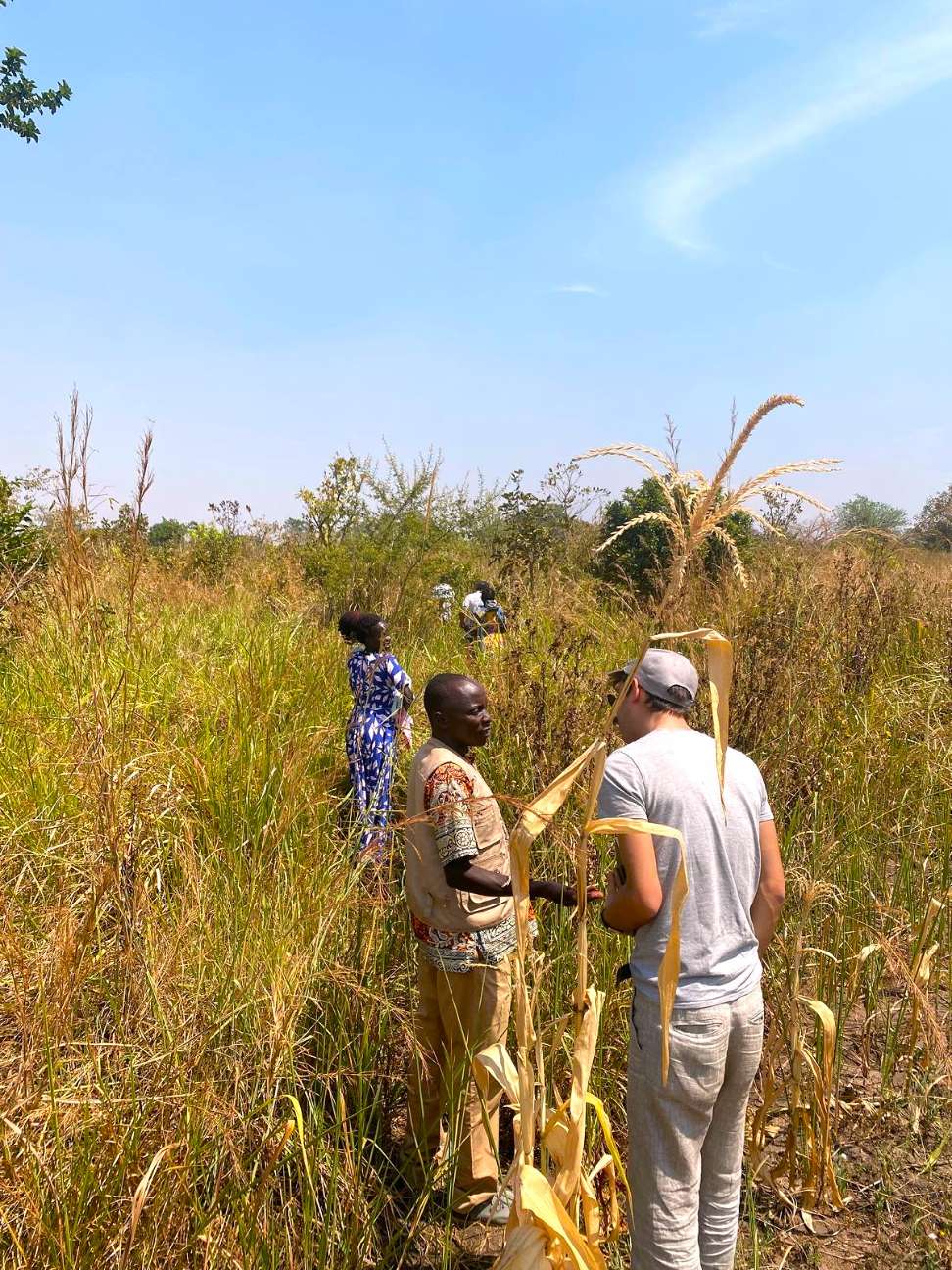
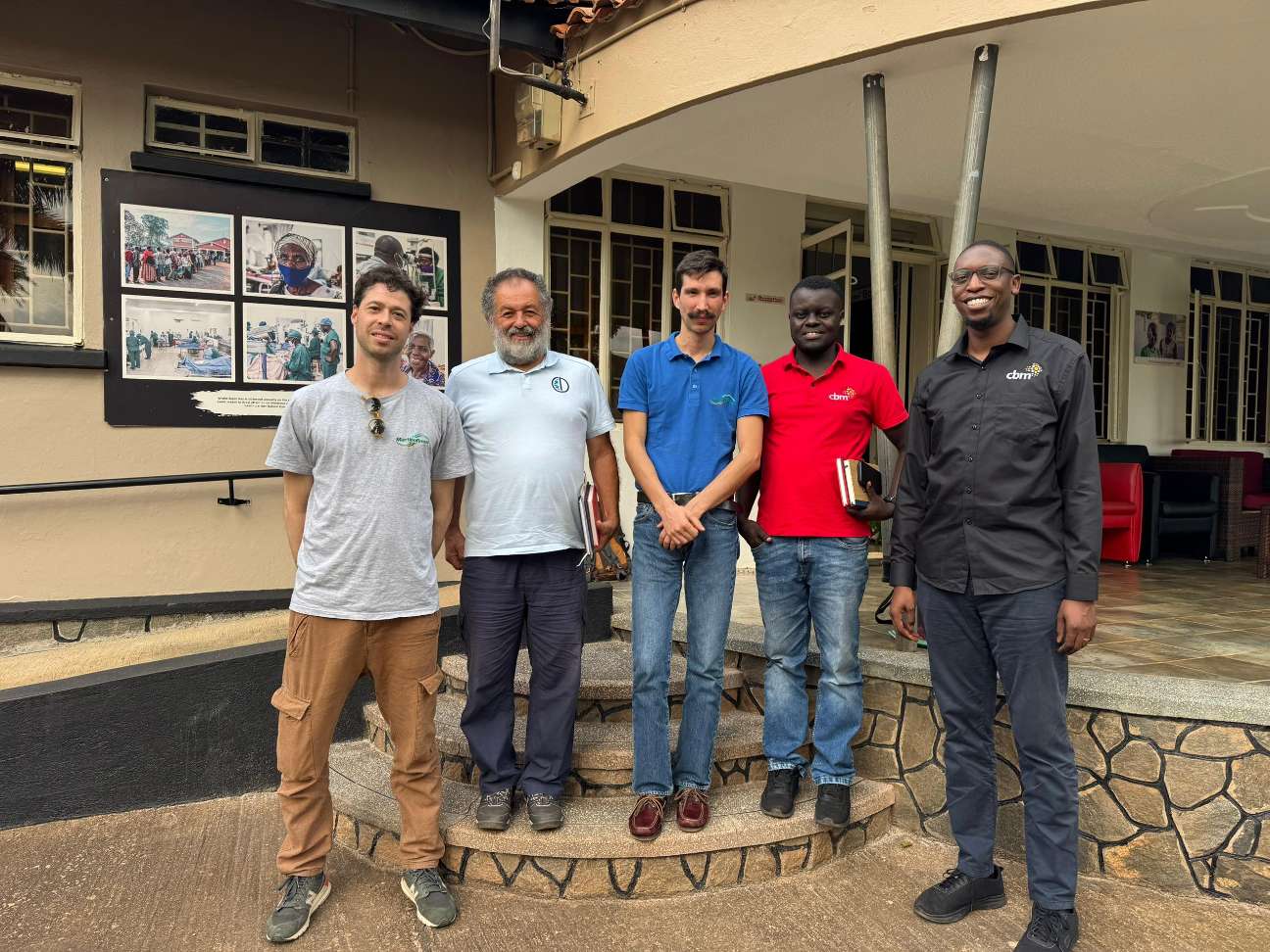
At the end of February 2026, the first operational mission in Uganda was carried out by the agronomists of MartinoRossi S.p.A., marking the concrete start of activities. During the visit, the first strategic contacts were initiated, including collaboration with a seed company for the import of seeds required for the new crops.
During the mission, a meeting was also held with the local Minister of Agriculture, during which the project was presented and discussed in its operational aspects. Availability was also expressed to facilitate the involvement of the National Agricultural Research Organization (NARO), the authority responsible for procedures related to the introduction of new seeds in the country.
Activities continued at the Alito center, with the planning of project phases related to the introduction of crops, the evaluation of their development, and the progressive involvement of agricultural cooperatives.
Long-term prospects and objectives
The objective of the project is to build a stable and sustainable agricultural supply chain, capable of generating shared value for local communities and for MartinoRossi S.p.A.. The project also aims to foster a more entrepreneurial approach and improved access to credit for the farmers involved.
Although it is an ambitious and complex initiative, the Eco-Food Uganda Project represents a concrete example of collaboration between the industrial sector and international cooperation, aimed at creating sustainable and long-lasting development models.
The official presentation to local authorities is scheduled for April 17, 2026, in Kampala, in the presence of the Ministry of Agriculture, AICS (Agenzia Italiana per la Cooperazione allo Sviluppo), and all project partners, marking a further step forward in the implementation of the initiative.